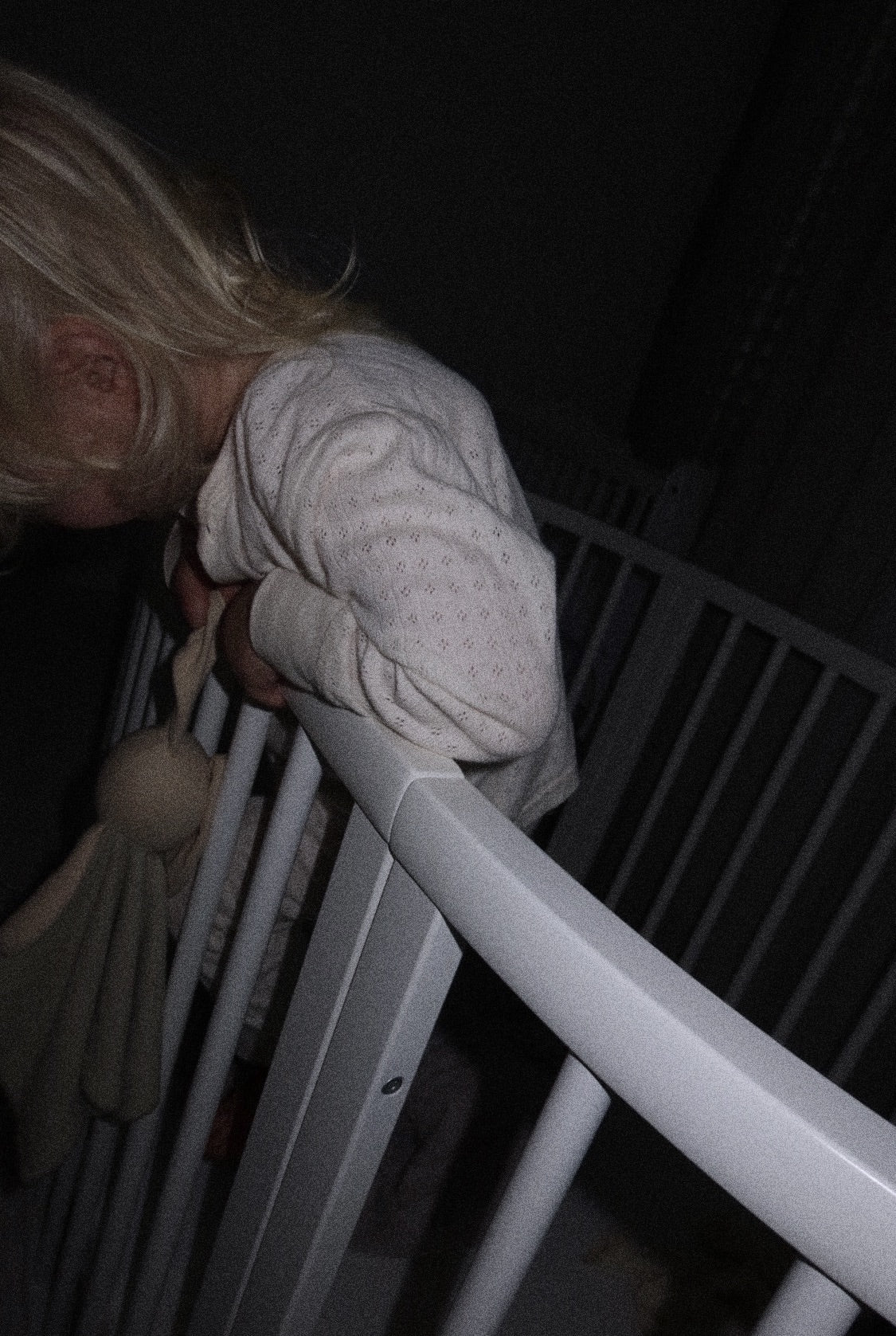

how to help your baby sleep longer at night
helping your baby sleep longer at night usually begins with the rhythm of the entire day
daytime sleep, feeding, time awake, bedtime timing and the sleep environment can all shape how comfortably a baby settles and sleeps overnight
rather than relying on one technique, focus on creating a calm and predictable routine your baby can gradually learn to recognise
begin with a consistent bedtime
a regular bedtime creates a clear ending to the day and helps sleep become familiar and predictable
the exact time may vary depending on your baby’s age, naps and natural rhythm, but following a similar bedtime each evening can help establish consistency
pay attention to daytime sleep
keeping a baby awake for longer during the day does not necessarily lead to better sleep at night
age-appropriate naps and periods of awake time can help your baby reach bedtime ready for sleep without becoming overtired or unsettled
your baby’s sleep needs will continue to change as they grow, so observe their cues and adjust the daytime rhythm gradually rather than forcing a rigid schedule
repeat the same bedtime routine
babies learn through repetition, and following a similar sequence each evening can create consistency and familiarity around sleep
this might include a warm bath, a book, milk and cuddles before being placed into their usual sleep space
the routine does not need to be complicated or followed perfectly, it simply needs to feel calm, familiar and easy to repeat each night
create a calm sleep environment
keeping the sleep space calm, dark and comfortably cool can help distinguish bedtime from the activity of the day
reduce stimulating play and bright screens before bed, and keep overnight feeds and changes quiet so your baby can return to sleep more easily
always use a safe cot, mattress and sleeping environment suited to your baby’s age and current safe sleep guidance
support settling in the cot
when appropriate for your baby, placing them into the cot calm and awake can give them opportunities to become familiar with settling in their usual sleep space
this does not need to happen perfectly at every sleep
begin gently, remain responsive and allow familiarity to build gradually through repetition
keep overnight responses consistent
night waking is a normal part of baby sleep, particularly during the first year
during overnight feeds or changes, keep the lighting low, voices quiet and interaction calm
this helps maintain a clear difference between daytime activity and nighttime sleep
use familiar sleep cues
a consistent bedtime, the same sleep space and a familiar bedtime sequence can gradually become recognisable cues that sleep is approaching
when introduced safely and used consistently, these familiar cues may support calmer settling, stronger sleep associations and longer stretches of overnight sleep as part of a broader routine
allow longer sleep to develop gradually
longer overnight stretches often develop as babies mature and their sleep patterns change
progress is rarely completely linear, and sleep may temporarily shift during illness, travel, growth or developmental changes
returning to the same familiar routine can help re-establish consistency as your baby moves through each stage
the maison elle perspective
helping your baby sleep longer at night is less about finding one perfect method and more about creating a series of calm, consistent cues
thoughtful daytime timing, a familiar bedtime routine and a comfortable sleep environment may support calmer settling, stronger sleep associations and gradually longer stretches of overnight sleep
consistency creates familiarity, and familiarity gives sleep a clearer place within the rhythm of each day
how to create a calm bedtime ritual for your baby
what should my baby wear to sleep? The maison elle guide
signs your baby is overtired and how to reset