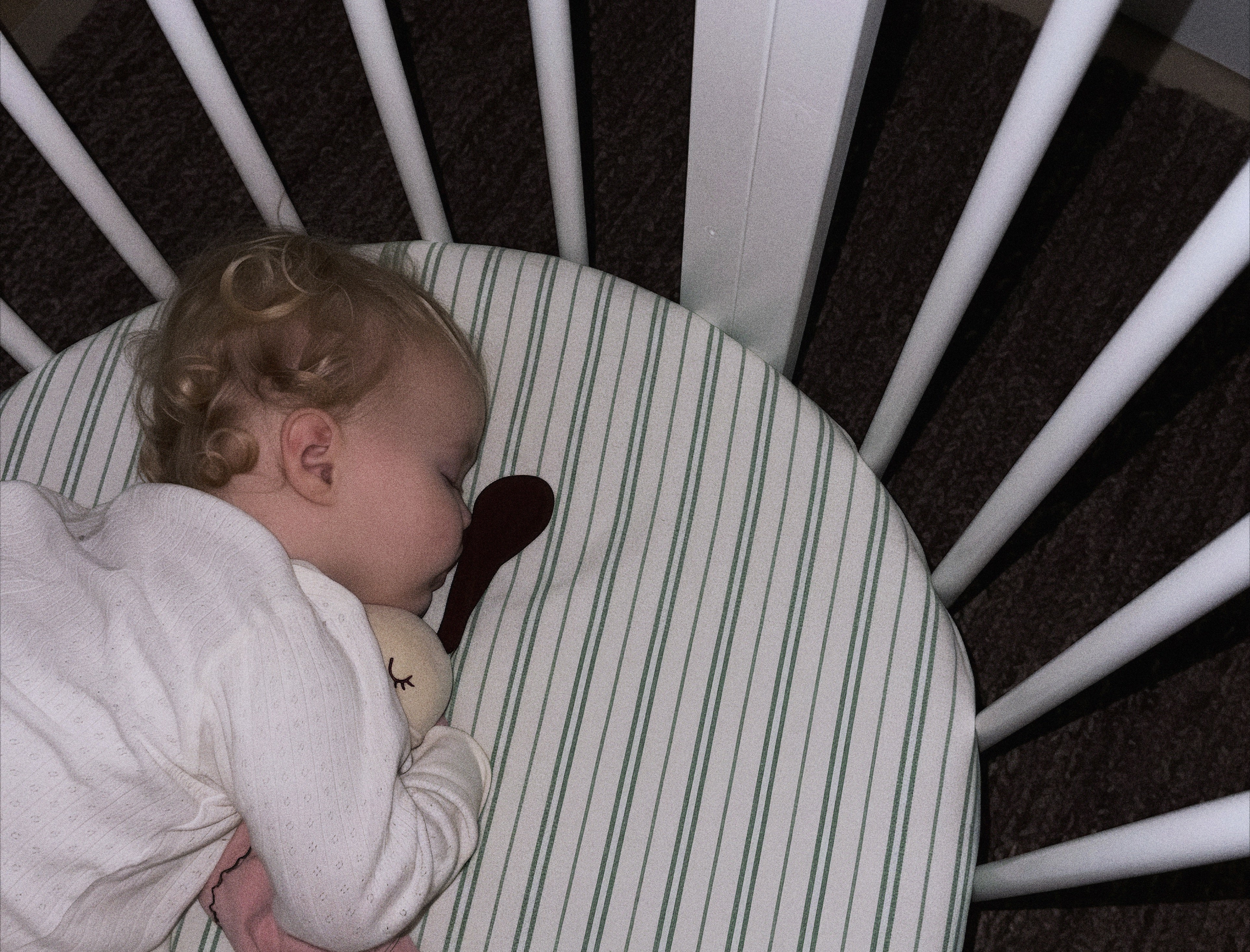
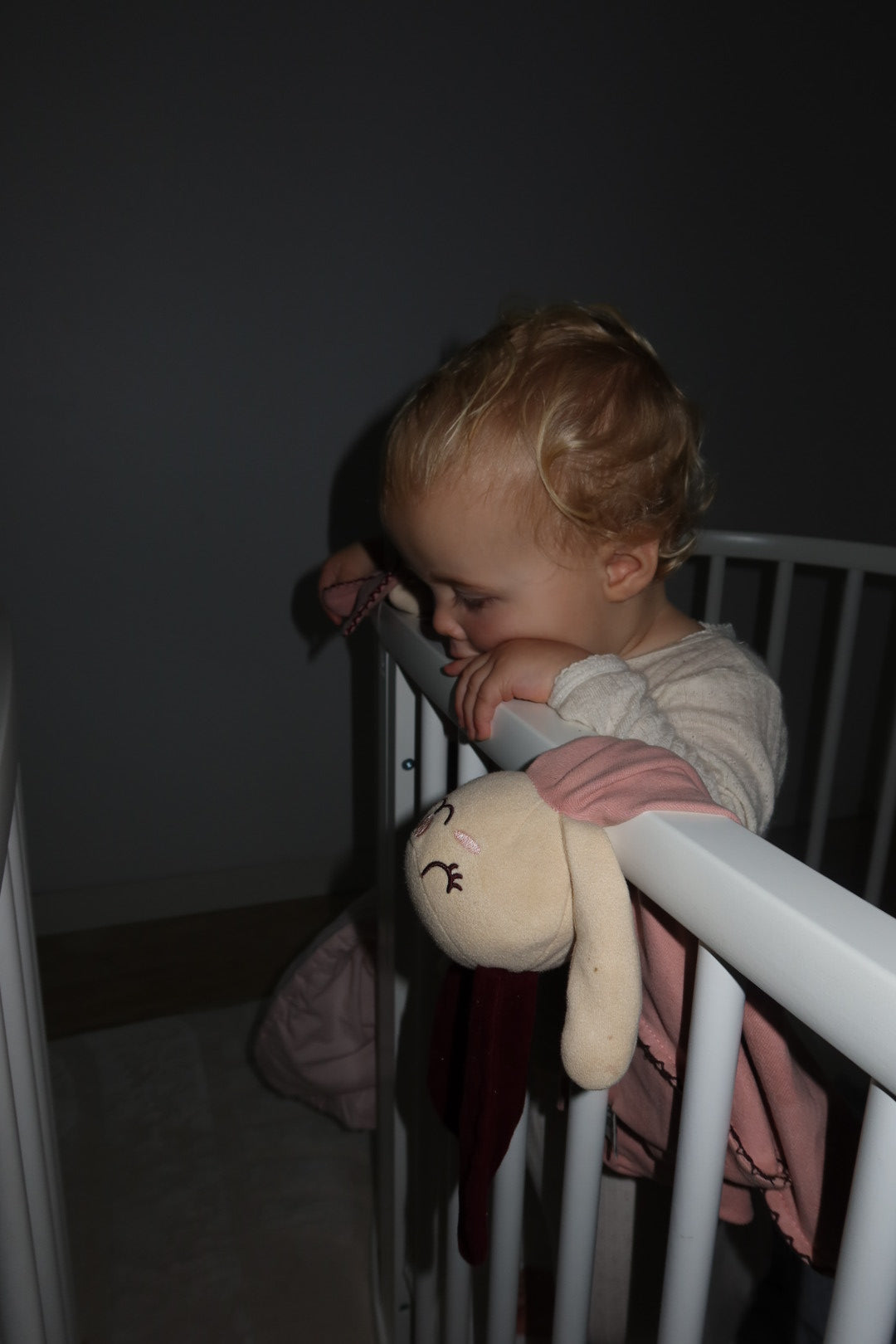
signs your baby is overtired and how to reset
the maison elle guide to over-tiredness and smoother settling
overtired babies can sometimes appear energetic rather than sleepy
as tiredness builds, rising stress hormones may make settling harder, naps shorter and nights more unsettled
recognising the signs early can help protect the rhythm of the day
the early signs that your baby is getting tired
softer movements, quieter engagement, turning the head away, rubbing the eyes and losing interest in play may signal that your baby is ready for sleep
these cues often appear before overtiredness sets in
the signs your baby is overtired
sudden bursts of energy, frantic crying, thrashing or arching, resisting the cot or crying as soon as they are placed down may indicate that your baby has become overstimulated
why overtiredness can make sleep harder
once adrenaline and cortisol begin to rise, your baby may find it more difficult to regulate and settle
this can lead to brief periods of sleep, frequent waking, short naps and more difficult evenings
how to reset an overtired baby
shorten the next wake window, move into a calm environment, reduce stimulation and return to familiar sleep cues
focus on supporting one restorative nap rather than trying to correct the entire day at once
how to help prevent overtiredness
follow age-appropriate wake windows, repeat a familiar bedtime ritual and watch your baby’s early tired cues closely
predictability can lower stimulation and support smoother settling
the maison elle perspective
overtiredness is not a failure
it is simply a sign that your baby’s rhythm may need adjusting
calm cues, thoughtful timing and a familiar evening pattern can help your baby return to more settled and restorative sleep
a consistent sleep cue, such as a breathable organic baby comforter, may also support familiarity and resettling during overtired phases
how to create a calm bedtime ritual for your baby
dream feed: what it is and whether it helps
what should my baby wear to sleep? The maison elle guide
building 12-hour nights: the maison elle method for predictable baby sleep