Article: how to set up a safe cot
how to set up a safe cot
keep the cot clear
keep pillows, doonas, quilts, cot bumpers, sheepskins, loose toys, mattress padding and bulky bedding out of the cot
position the cot away from curtains, blind cords, heaters and other items that may create a hazard around the sleep space
position your baby safely
place your baby on their back for every sleep, with their feet near the base of the cot
this helps keep bedding lower on the body and away from the head and face
your baby’s head, neck and face should remain uncovered throughout sleep
use blankets correctly
choose lightweight blankets and keep them no higher than your baby’s chest
tuck the blanket firmly beneath the mattress on three sides so it remains secure and cannot move towards the face
keep the bedding smooth and correctly positioned, without loose folds, bulky layers or fabric near the head and neck
a correctly fitted infant sleeping bag may be used instead of blankets, provided it has fitted neck and arm openings, no hood and leaves the arms free
avoid overheating
dress your baby so they feel comfortably warm rather than hot or sweaty
adjust sleepwear and bedding according to the room temperature and avoid excessive, heavy or bulky layers
keep your baby’s head uncovered during sleep
introduce comfort items with care
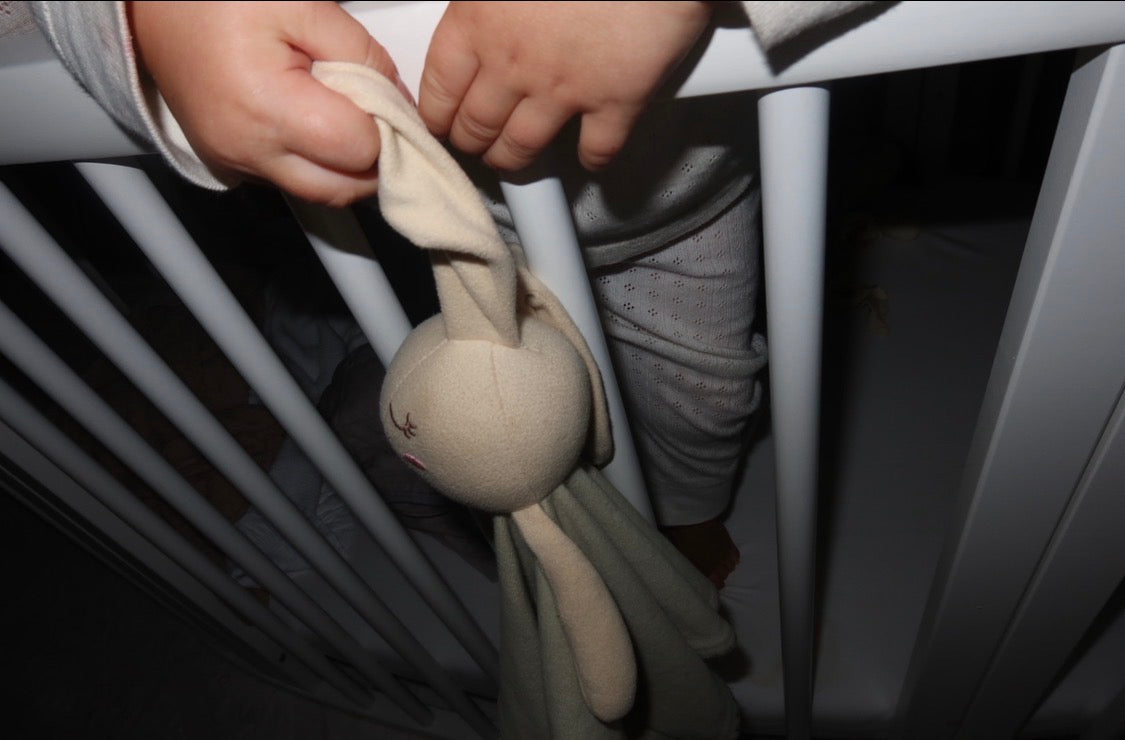
comforters and soft toys should remain outside the sleep space for babies under 7 months, corrected for prematurity, and Red Nose recommends keeping the sleep space clear for the first 12 months where possible
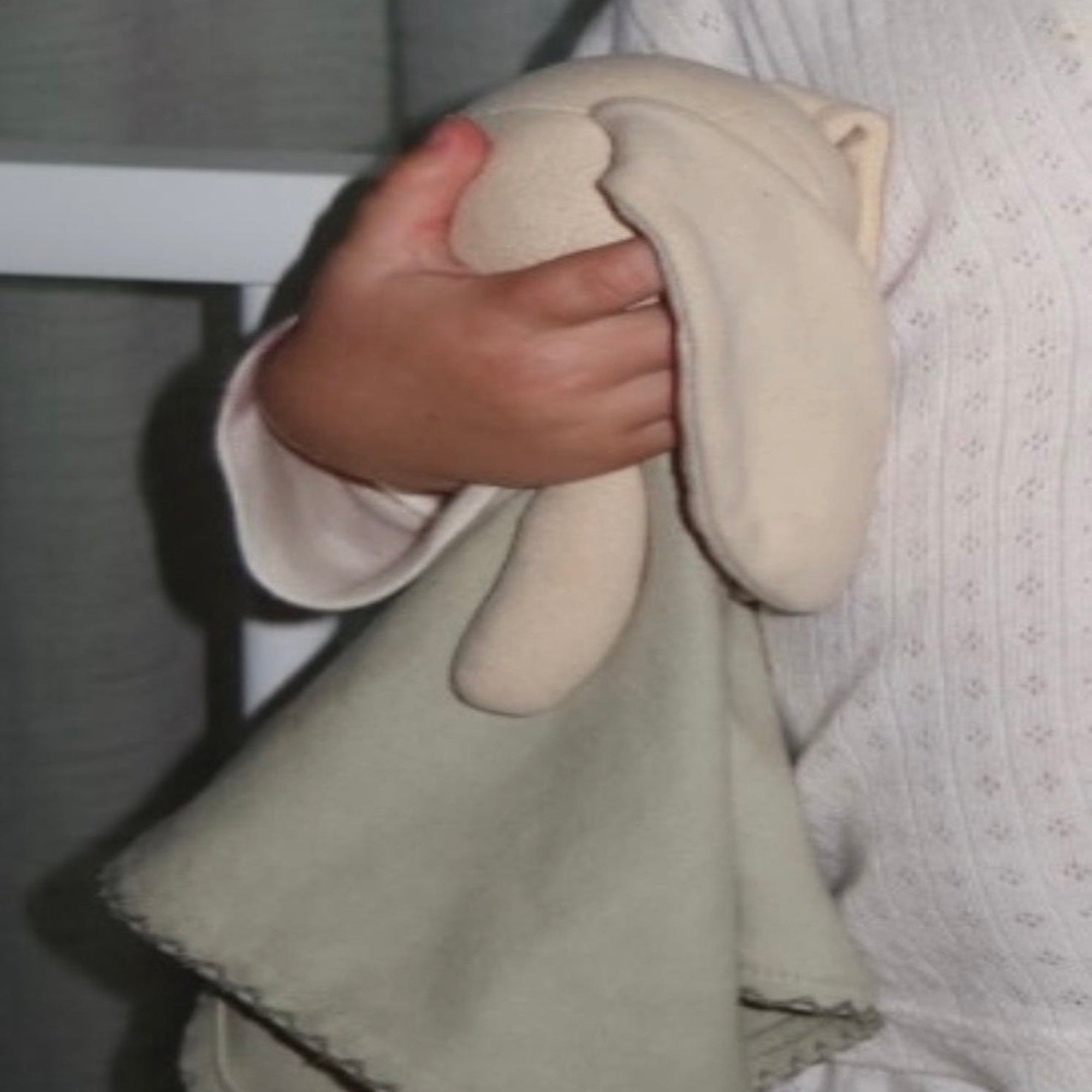
for older babies, parents should consider their child’s development and observe whether they can move the comfort item away from their face independently
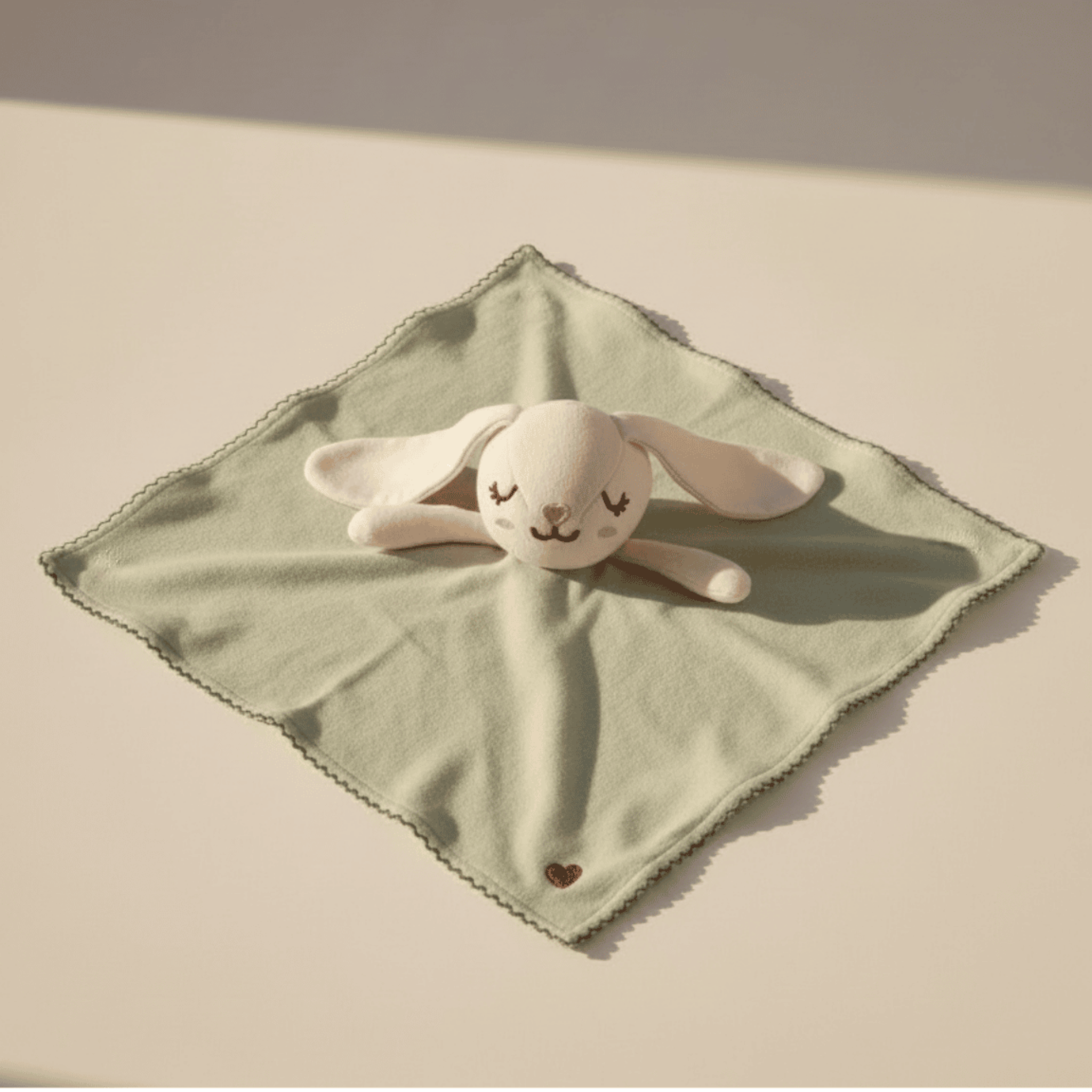
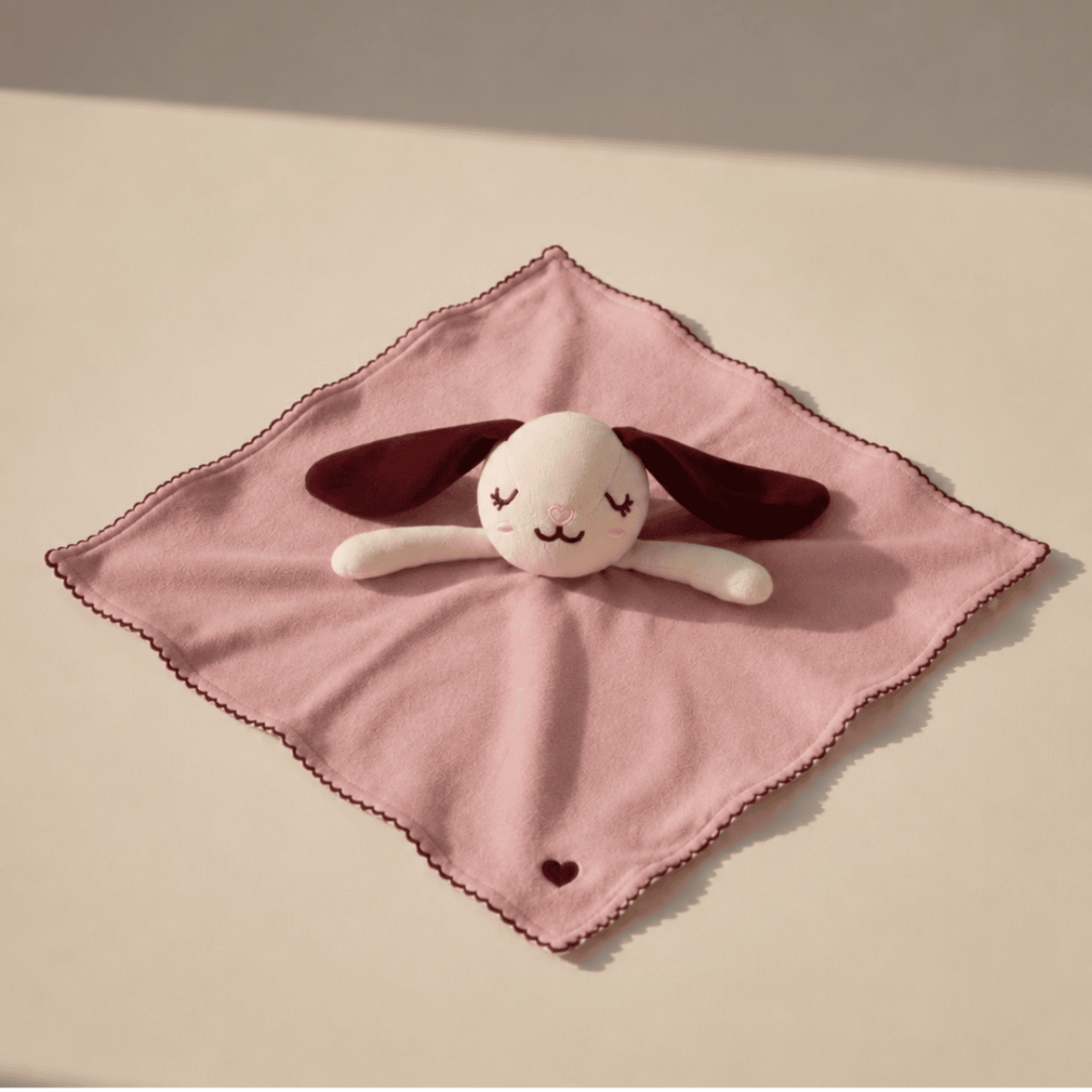
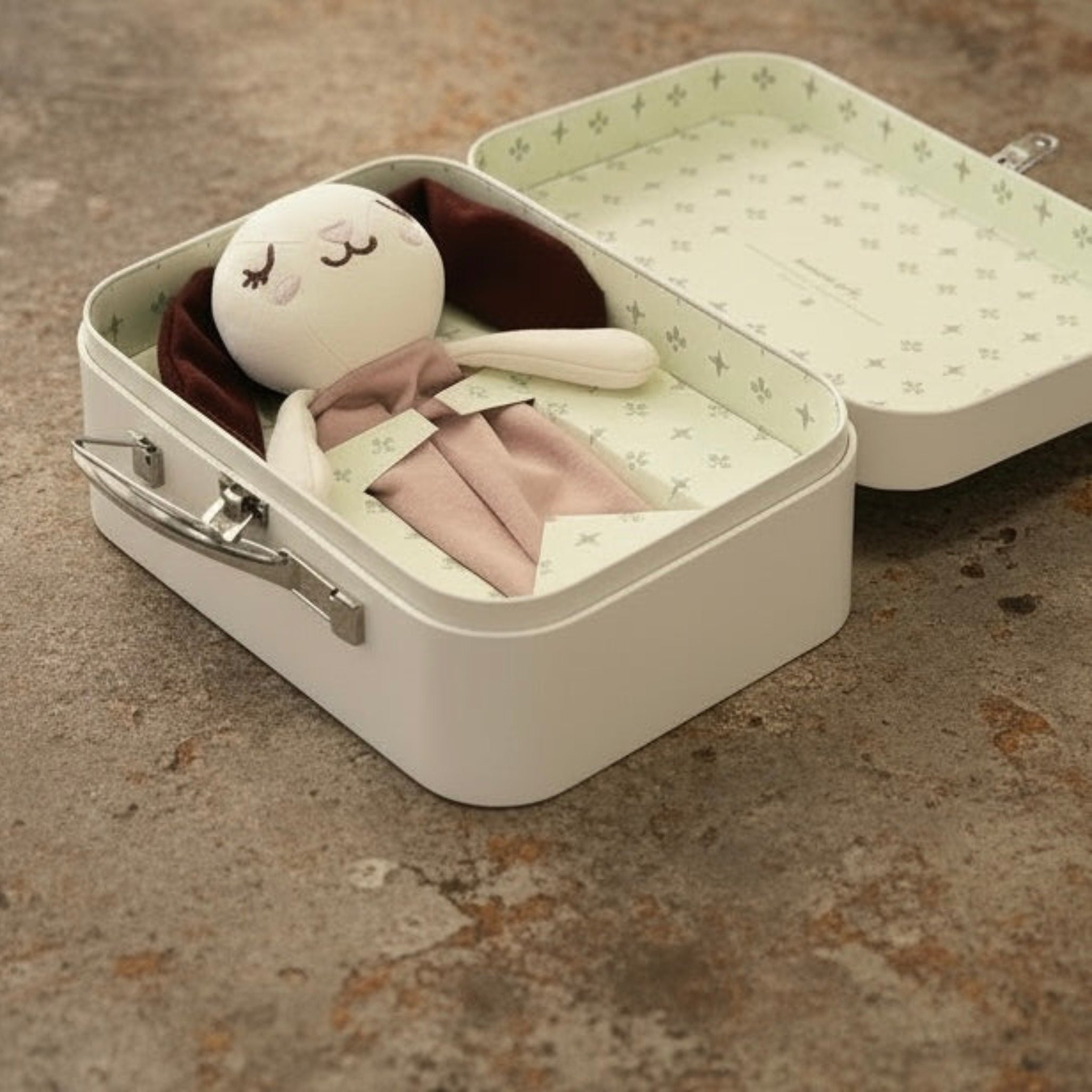
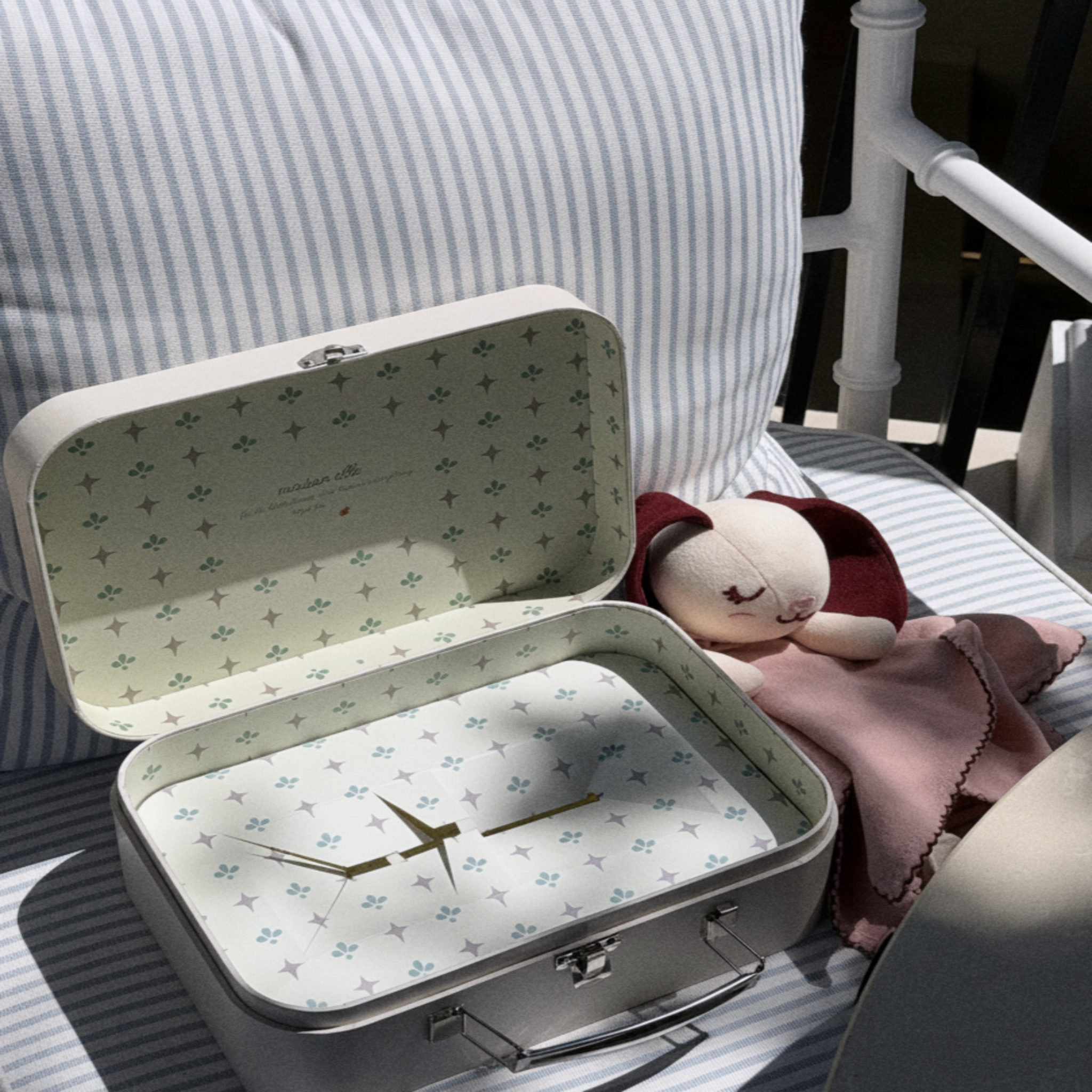
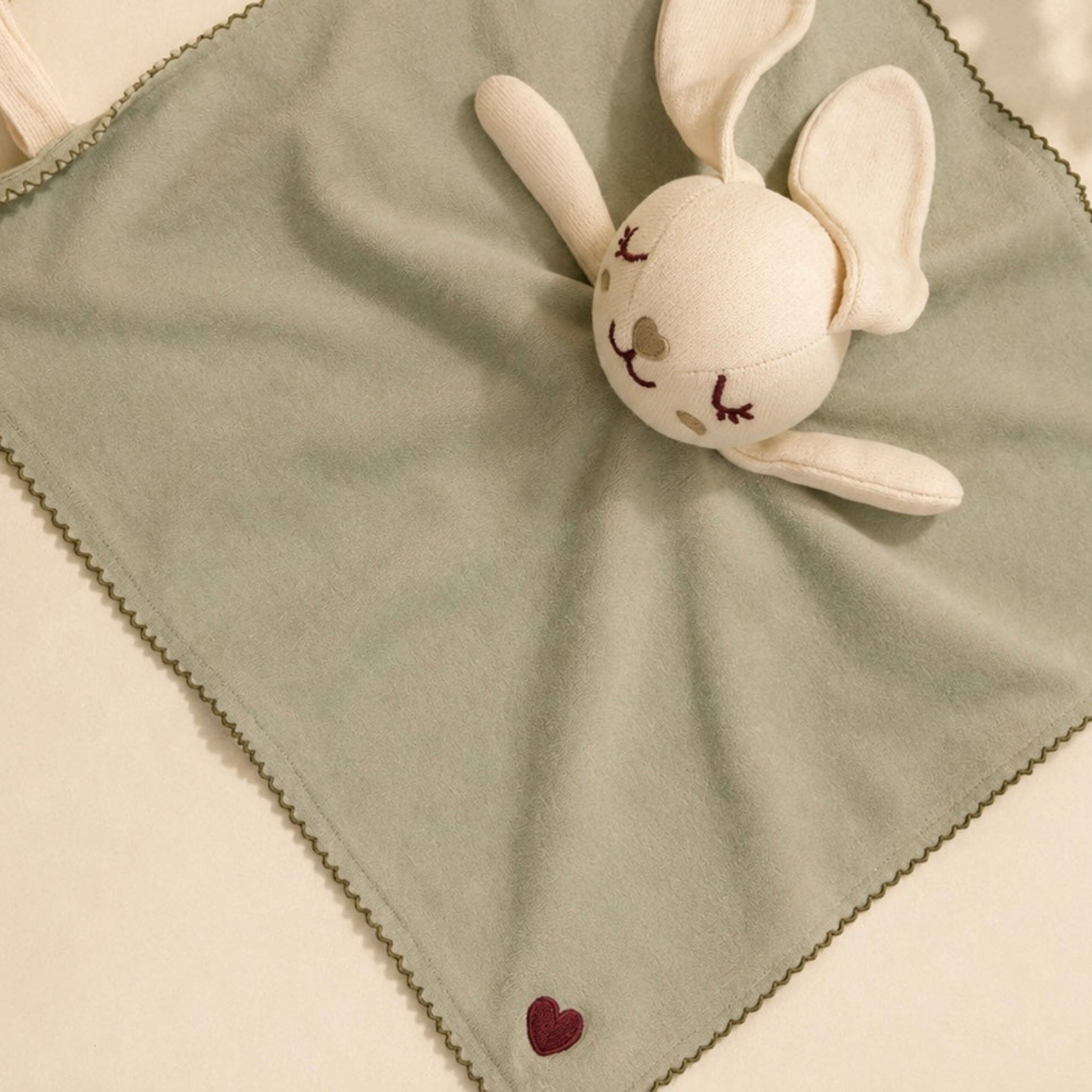
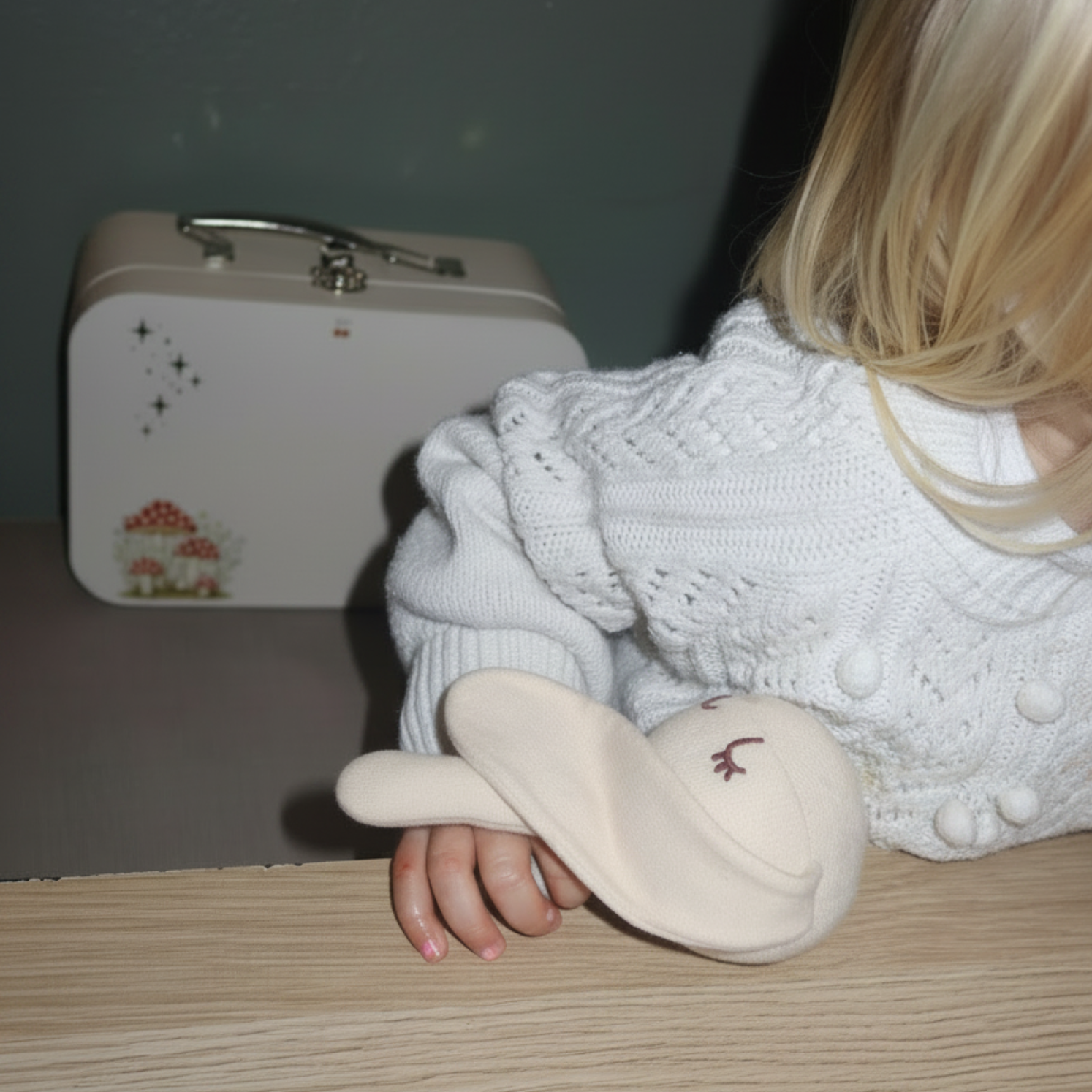
sleepy elle is suitable from 7 months and may first become part of supervised quiet time, pram journeys, travel and the familiar routine leading into sleep
the maison elle perspective
at maison elle, we believe a baby’s sleep space should feel calm, breathable and carefully considered
begin with a safe cot, a firm and well-fitted mattress, a fitted sheet and a clear sleep space
place your baby on their back, keep their head and face uncovered and use either correctly secured lightweight bedding or a properly fitted infant sleeping bag
we choose organic cotton and breathable fibres for comfort, while recognising that correct positioning, suitable layering and current safe sleep guidance must shape the sleep space first
related reading
how to create a calm bedtime ritual for your baby
what should my baby wear to sleep?
signs your baby is overtired and how to reset
dream feed: what it is and whether it helps
building a calmer night routine
explore The Maison Elle Sleep Softie
source note
Some australian safe sleep guidance recommends firmly tucking blankets under the mattress. maison elle’s view is more cautious: bedding should never be so firm that it restricts movement or creates a trapping risk, and never so loose that fabric can fold upward toward the face.
parents should follow the advice they trust from their chosen health professional or safe sleep authority. maison elle’s position is to use natural, breathable layers only, keep bedding below the armpits, fold blankets back toward the feet, support airflow, and keep the baby’s head and face uncovered at all times.
for context, red nose currently recommends placing the baby with feet at the bottom of the cot, tucking blankets firmly on three sides, and keeping blankets to chest height. nsw health advises keeping the baby’s head and face uncovered, using tucked sheets and blankets or a safe infant sleeping bag, and avoiding doonas, cot bumpers, mattress padding, sheepskins, and soft toys in the cot.