Article: what should my baby wear to sleep? the maison elle guide
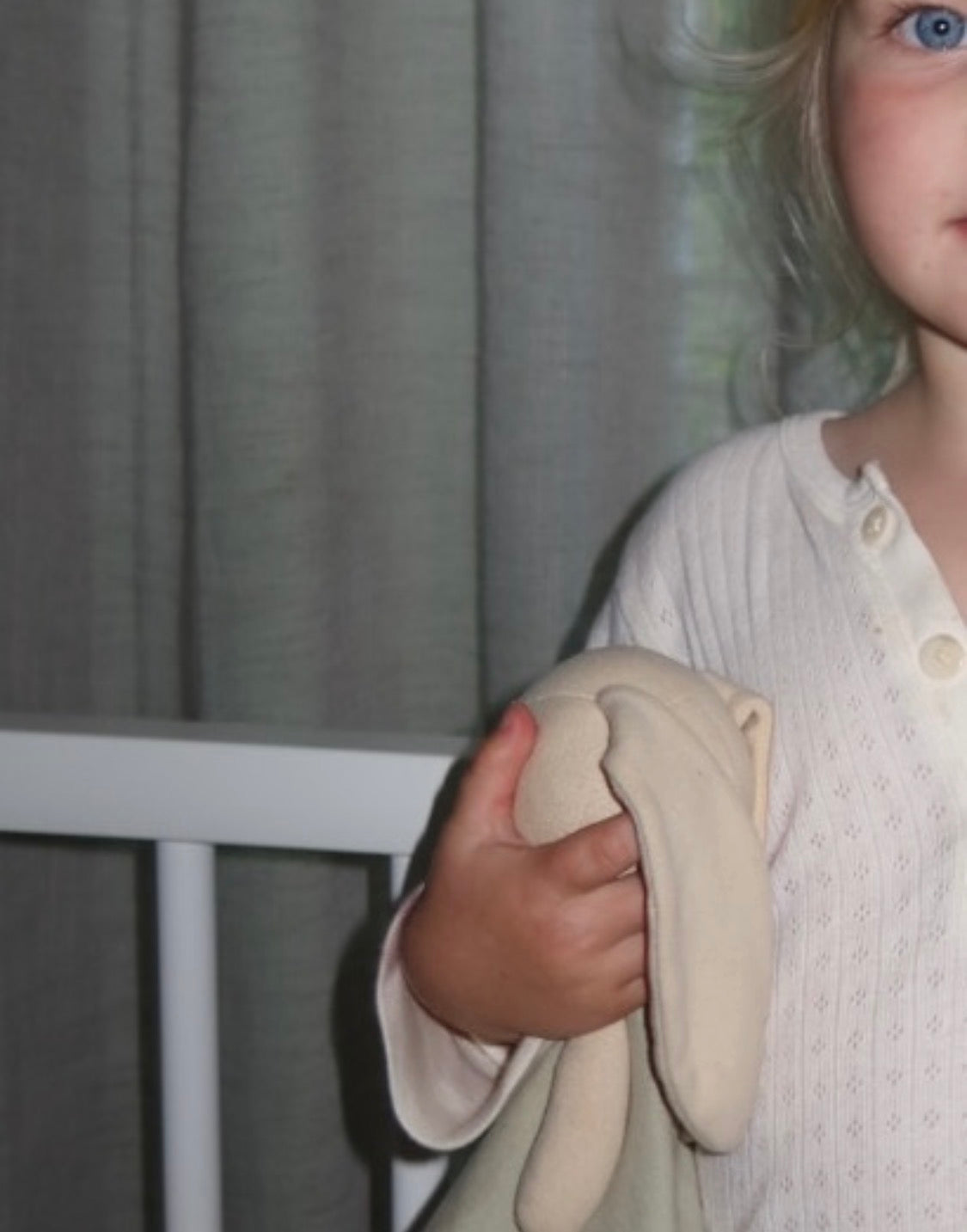
what should my baby wear to sleep? the maison elle guide
parents often search for clear answers about sleepwear, layers and temperature
this guide cuts through the noise with a breathable, structured approach rooted in natural fibres and maison elle’s pared-back philosophy
put simply, babies who are cold may wake more frequently during the night from discomfort, just as we would
because younger babies cannot tell us how they are feeling, dressing them thoughtfully for the room temperature can make a meaningful difference to their comfort overnight
a simple starting point
babies sleep most comfortably when dressed in light, breathable layers that suit the room temperature
for many homes, a room temperature of approximately 20–22°c provides a comfortable starting point
there is no single room temperature that is right for every baby and every home
warm nights call for fewer layers, while cooler nights require gentle insulation
the aim is to respond thoughtfully to the conditions rather than relying on one rigid chart
understanding room temperature
a cot can sit at a slightly different temperature from the rest of the room
place a room thermometer close to the cot while checking the temperature, then remove it from the sleep space as soon as the reading has settled
this may provide a more useful guide than relying on the household thermostat alone
check your baby’s chest, tummy or back rather than their hands and feet, which can naturally feel cooler
their torso should feel comfortably warm, not hot, sweaty or clammy
newborn to 8 weeks
during the early newborn stage, babies need steady warmth while their ability to regulate body temperature continues to develop
focus on light, breathable layers that can be adjusted as needed
recommended layers
a sleeveless under-bodysuit with clips at the bottom
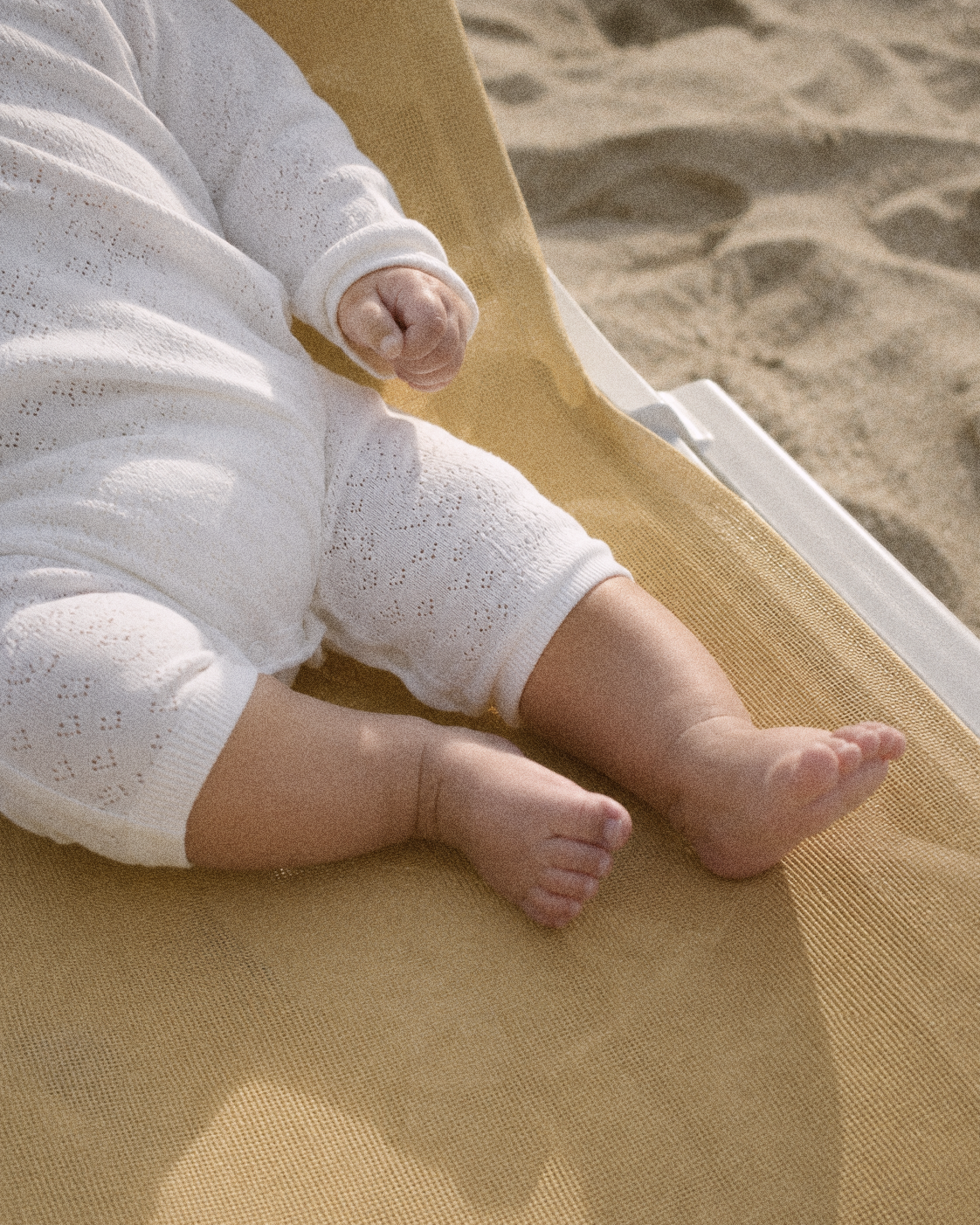
a breathable long-sleeve organic cotton growsuit
a lightweight bamboo or cotton stretch wrap for traditional swaddling
a lightweight cellular cotton blanket layered according to the room temperature
maison elle prefers traditional swaddling with a single lightweight bamboo or cotton wrap, allowing the fit to be adjusted carefully around the baby
a swaddle should feel secure but never restrict the baby’s chest or hips
stop swaddling as soon as your baby shows signs of attempting to roll and transition to an appropriately fitted safe sleeping bag with their arms free
hats and other head coverings should never be worn during sleep
8 weeks and older
as babies grow and begin moving more freely, their sleepwear needs may change
breathable layers remain important, while a properly fitted sleeping bag can provide more consistent warmth throughout the night
recommended layers
a sleeveless or short-sleeve under-bodysuit
a breathable long-sleeve organic cotton growsuit or organic cotton pyjamas
a properly fitted sleeping bag with an appropriate tog rating
lightweight cellular cotton blankets, layered thoughtfully if blankets are being used
founder note: for my three children during winter, in a room warmed to around 23°c, i dress them in a sleeveless organic cotton underlayer
my two eldest wear organic cotton pyjamas, while my youngest wears an organic cotton growsuit
all three wear sleeping bags, which are current samples from the maison elle range
i then add approximately eight to twelve fabric layers of lightweight cellular blankets, usually by folding two blankets four times or three blankets four times
this is an example of what i have personally used in our home rather than a universal recommendation
the warmth and weight of sleeping bags and blankets vary, so i check each child’s chest or back and adjust their layers according to the individual child and the room
maison elle will be releasing its own blankets soon, which i already use in sample form
until then, i currently love and genuinely recommend the bemboka bamboo and cotton cot blankets
i am not affiliated with bemboka, they are simply blankets i personally use and love
a safe sleeping bag should fit securely across the neck and chest, with fitted armholes, the baby’s arms free, the correct sizing and tog rating, and no hood
choosing the right layers
underlayers
choose breathable natural fibres such as organic cotton or bamboo
the underlayer should fit comfortably without feeling tight or bulky beneath your baby’s main sleepwear
main layer
a breathable long-sleeve organic cotton growsuit provides gentle warmth without relying on heavy sleepwear
zipped growsuits can also make overnight changes simpler and less disruptive
swaddles
maison elle prefers a lightweight traditional bamboo or cotton wrap during the early newborn stage
the wrap should be firm but not tight, with enough room for natural movement through the hips and legs
swaddling must stop as soon as your baby begins showing signs of attempting to roll
sleeping bags
select the tog rating according to the room temperature and the clothing worn underneath
a lower tog is suited to warmer conditions, while a higher tog provides additional insulation in cooler rooms
always follow the individual sleeping bag manufacturer’s dressing guide, as materials, sizing and warmth ratings vary between products
blankets and breathable layering
maison elle prefers lightweight cellular cotton blankets, using organic cotton where possible
their open cellular construction supports airflow and allows warmth to be adjusted gradually through light, breathable layers rather than relying on one heavy blanket
red nose australia recommends firmly tucking lightweight blankets beneath the mattress on three sides, with the blankets reaching no higher than the baby’s chest
while we respect this guidance, our personal approach at home is slightly different
we do not firmly tuck the blankets beneath the mattress
instead, we place lightweight cellular cotton blankets below the baby’s arms and no higher than chest level, allowing them to rest naturally over the baby without restricting movement
this is maison elle’s personal approach rather than official safe sleep guidance
parents should follow red nose australia’s recommendations or discuss their preferred bedding arrangement with their child health nurse or healthcare professional
for parents who prefer not to use firmly tucked blankets, a correctly fitted sleeping bag without additional loose bedding is the option consistent with current red nose guidance
when using blankets
choose lightweight cellular cotton blankets, using organic cotton where possible
always place your baby on their back to sleep
position your baby with their feet at the bottom of the cot
keep blankets below the baby’s arms and no higher than chest level
keep your baby’s head and face completely uncovered
never use heavy blankets, doonas, quilts, pillows or weighted bedding
remove loose blankets once your baby is rolling or moving significantly during sleep
how to tell if your baby is too hot or too cold
signs your baby may be too warm
your baby’s chest, tummy or back may feel hot, sweaty or clammy
their hair or clothing may feel damp
their cheeks may appear flushed
their breathing may seem unusually rapid
their sleep may become restless or unusually unsettled
signs your baby may need another layer
your baby’s torso may feel cool rather than comfortably warm
they may wake more frequently as the room becomes cooler overnight
they may become more difficult to settle after a noticeable drop in room temperature
cool hands and feet do not necessarily mean your baby is cold
check their chest, tummy or back to assess their temperature more accurately
why responsive layering matters
room temperature can shift throughout the night, particularly between seasons
every baby also responds differently to warmth
maison elle focuses on breathable materials, lightweight layers and adjusting calmly according to the room and the baby in front of you
the goal is not to memorise one perfect combination, but to create a comfortable sleep environment and make small changes when needed
maison elle sleepwear in development
our organic cotton growsuits, lightweight bamboo wraps, cellular cotton blankets and thoughtfully designed sleeping bags are currently in development
each piece is being considered as part of a breathable, beautifully understated sleep environment, with natural fibres, practical layering and the quieter rituals of bedtime in mind
frequently asked questions
how many layers should my baby wear?
the appropriate number of layers depends on the room temperature, your baby’s age, their sleeping bag and the warmth of each garment
a common starting point is a light under-bodysuit, a breathable long-sleeve growsuit and either a lightweight wrap for a newborn who is not showing signs of rolling or an appropriately fitted sleeping bag
check your baby’s chest, tummy or back and add or remove a light layer according to how they feel rather than relying on one fixed number
should i use cellular blankets?
maison elle prefers lightweight cellular cotton blankets because their open construction supports airflow and makes it easier to build warmth gradually through breathable layers
choose cotton, using organic cotton where possible, and avoid heavy or bulky bedding
are organic cotton blankets better?
maison elle prefers organic cotton because it is breathable, comfortable against delicate skin and easy to layer
it also aligns with our preference for natural fibres and thoughtfully selected materials
should i avoid synthetic blankets?
maison elle prefers breathable natural fibres such as cotton rather than polyester or acrylic for overnight bedding
lightweight cotton layers make it easier to adjust warmth gradually without relying on one heavy item
which tog rating should i choose?
choose a lower tog for warmer rooms and a higher tog for cooler rooms
always check the manufacturer’s guide for the specific sleeping bag and consider the clothing your baby is wearing underneath
do newborns need hats for sleep?
no
hats and other head coverings should be removed before sleep so your baby’s head and face remain completely uncovered
when should i stop swaddling?
stop swaddling as soon as your baby begins showing signs of attempting to roll
transition to a properly fitted sleeping bag with the arms free
can i place blankets over a sleeping bag?
current red nose guidance recommends using a properly fitted sleeping bag without additional bedding
a suitable sleeping bag should have fitted neck and arm openings, allow free arm movement, have no hood and carry a tog rating appropriate for the room
maison elle’s personal approach to lightweight cellular blankets over sleeping bags is explained in the founder note above
it is a personal practice rather than official safe sleep guidance and should not be treated as a universal recommendation
if blankets are used, red nose recommends that they be lightweight, firmly tucked beneath the mattress on three sides and no higher than the baby’s chest
how do i know whether my baby is warm enough?
check your baby’s chest, tummy or back
they should feel comfortably warm but not hot, sweaty or clammy
hands and feet often feel cooler and are not the most reliable way to assess core temperature
signs your baby is overtired and how to reset
dream feed: what it is and whether it actually helps
how to create a calm bedtime ritual for your baby