how much sleep does a baby need?
how much sleep does my baby need
one of the most common questions parents ask is how much sleep their baby actually needs
the answer changes quickly throughout the first few years, with newborn sleep often feeling unpredictable before more consistent rhythms begin to form around naps, bedtime and overnight sleep
sleep needs should be treated as a guide rather than a strict target, as some babies naturally need slightly more or less sleep than others
the aim is not to achieve perfect numbers, but to understand your baby’s rhythm well enough to support sleep before overtiredness begins to take over
baby sleep needs by age
| age | total sleep in 24 hours | day sleep | typical naps |
|---|---|---|---|
| newborn to 3 months | 14 to 17 hours | varies | frequent naps across the day and night |
| 4 to 6 months | 12 to 16 hours | 3 to 5 hours | 3 to 4 naps |
| 7 to 9 months | 12 to 15 hours | 2½ to 4 hours | 2 to 3 naps |
| 10 to 12 months | 12 to 15 hours | 2 to 3 hours | 2 naps |
| 12 to 18 months | 11 to 14 hours | 1½ to 3 hours | 1 to 2 naps |
| 2 years | 11 to 14 hours | 1 to 2 hours | 1 nap |
newborn sleep can feel unpredictable
during the early weeks, babies usually sleep in shorter stretches across both the day and night
feeding, growth and development can all influence how often they wake and how long they remain asleep
many newborns have not yet developed a clear distinction between day and night, which can make sleep feel inconsistent and exhausting for parents
this stage gradually changes as their sleep rhythm begins to mature
why wake windows matter
wake windows are the periods your baby can comfortably remain awake between sleeps
when a baby stays awake beyond their comfortable window, they may become overtired, making it more difficult to settle and remain asleep
age-appropriate wake windows can support calmer naps, smoother bedtimes and more settled overnight sleep
signs your baby may need more sleep
fussiness, crying, short naps, waking shortly after bedtime, difficulty settling, rubbing the eyes, becoming wired or overstimulated and early morning waking may all indicate that your baby is overtired
an overtired baby can appear energetic or unsettled even when they need sleep most
the importance of calm sleep cues
babies learn through repetition, and familiar cues can help signal that sleep is approaching
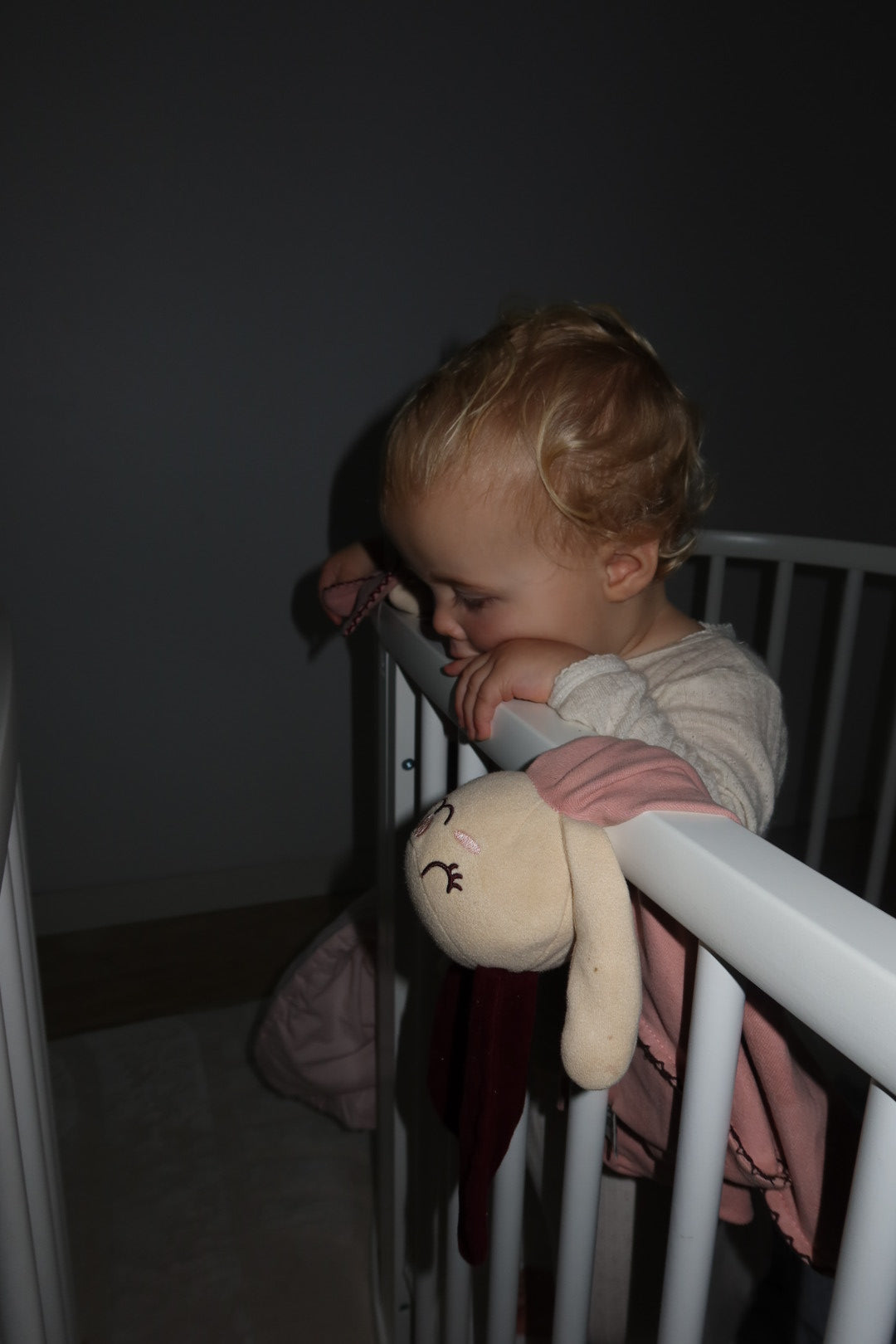
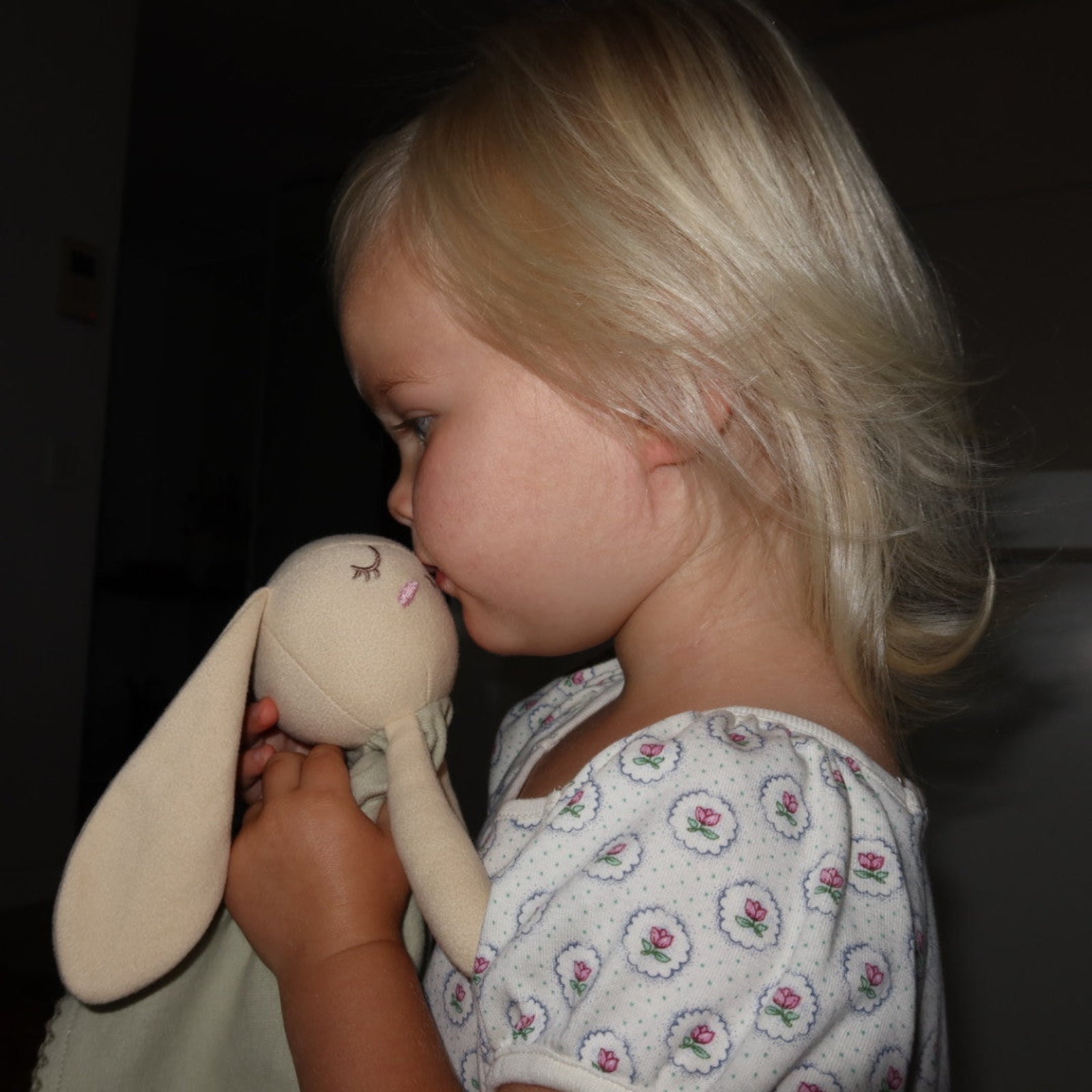
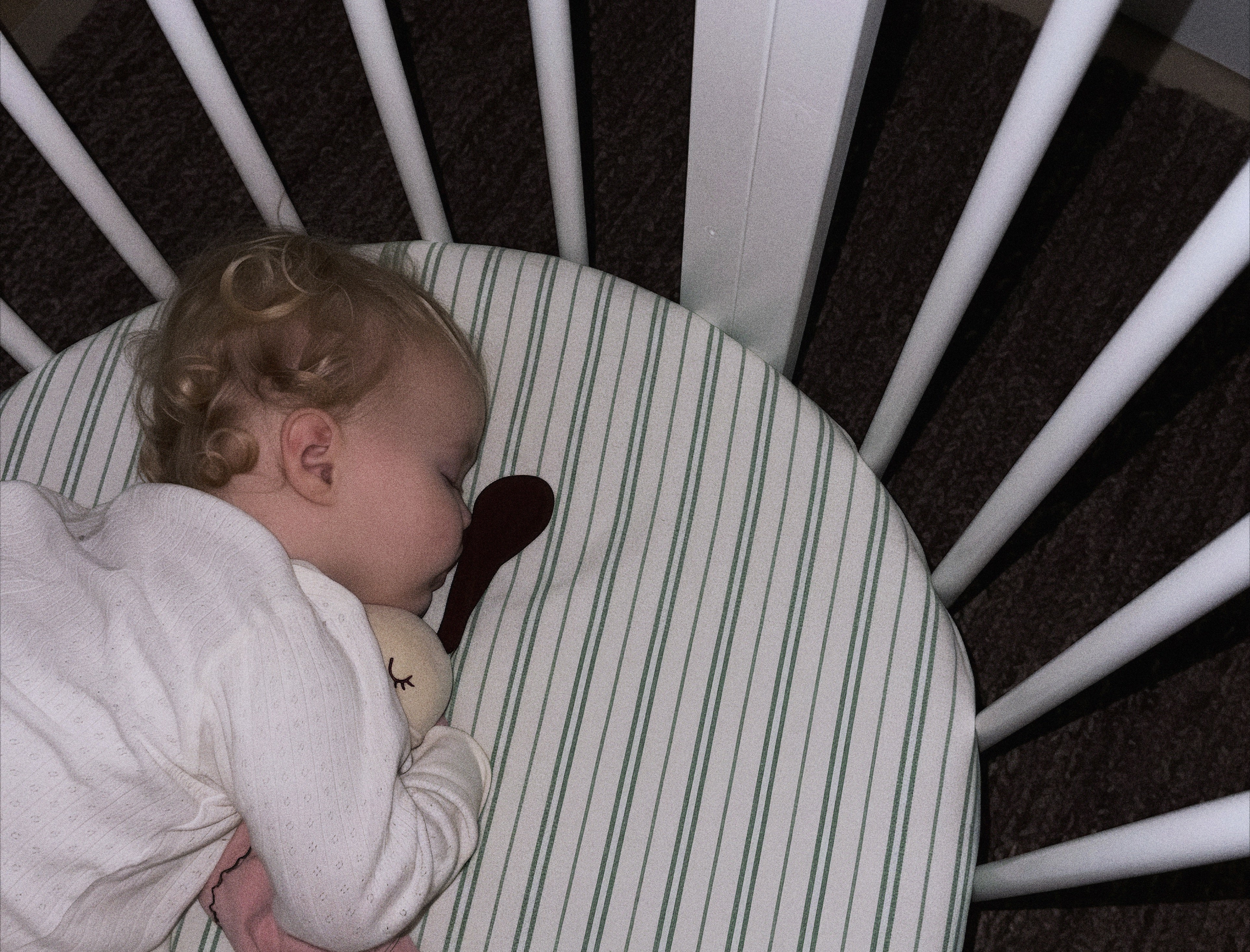
a darkened room, a sleep bag, the same bedtime sequence, quiet cuddles and a familiar comfort item once developmentally appropriate may gradually become recognisable parts of the sleep routine
from around 7 months, some babies begin forming stronger associations between familiar comfort cues and sleep
the maison elle approach
at maison elle, we believe baby sleep is shaped by routine, repetition and consistency
babies learn through what happens again and again, including the same wind-down sequence, sleep environment, familiar cues and calm steps before rest
when these cues are repeated consistently, they may help a baby understand what comes next and support calmer settling, stronger sleep associations and more predictable bedtimes over time
the sleepy elle softie is designed to become part of that familiar routine from around 7 months, once developmentally appropriate
crafted from gots-certified organic cotton and oeko-tex® certified materials, sleepy elle is a soft and lightweight baby comforter designed to move between bedtime, naps, the pram, travel and all the little moments in between